
Vol 6
Figma summer series, intro to freelancing, & more!

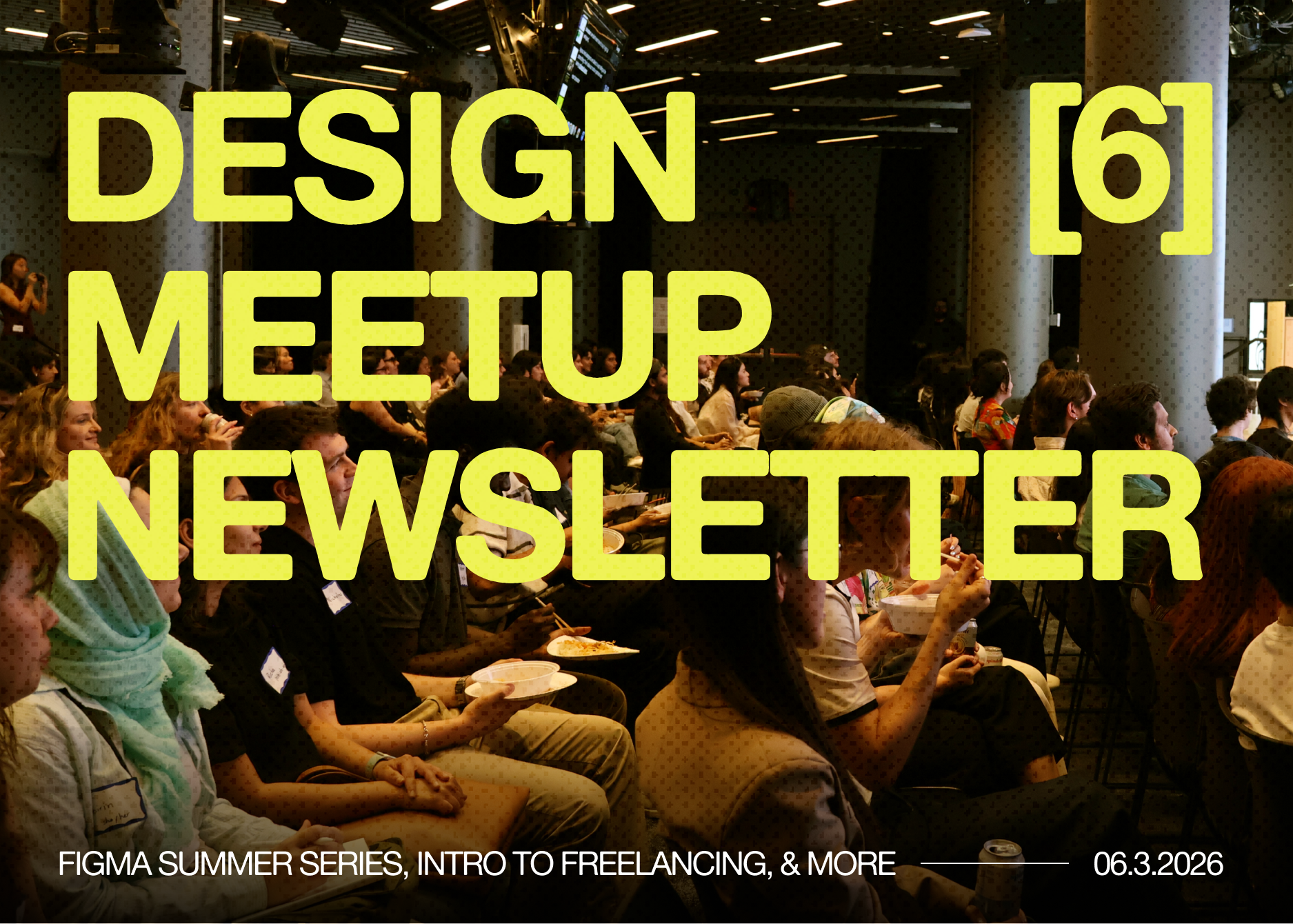
Welcome to our Vol 6 of Design Meetup’s Newsletter! We’re so excited that you’re back :)
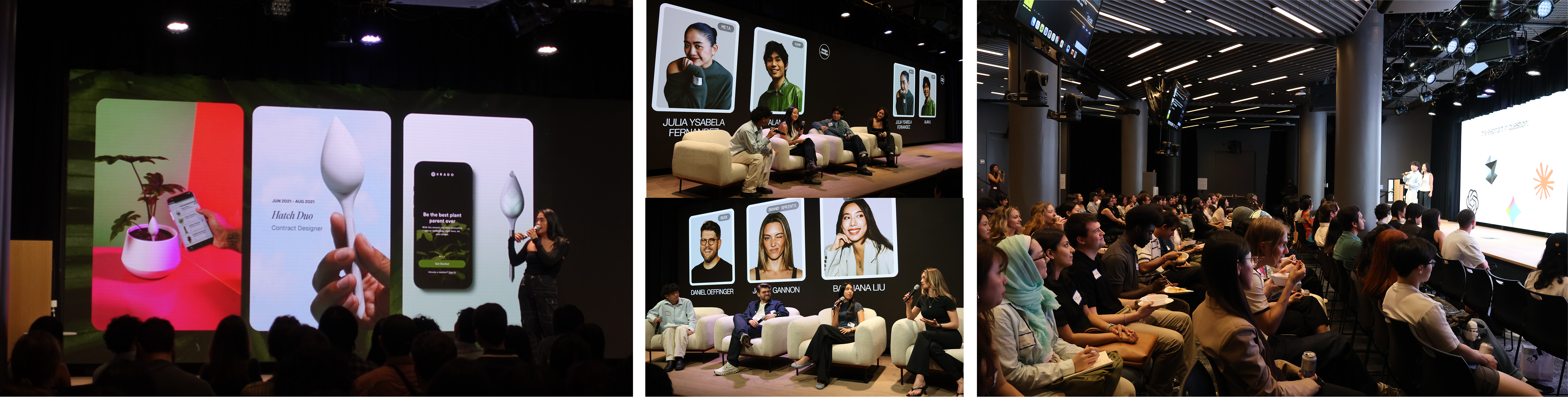
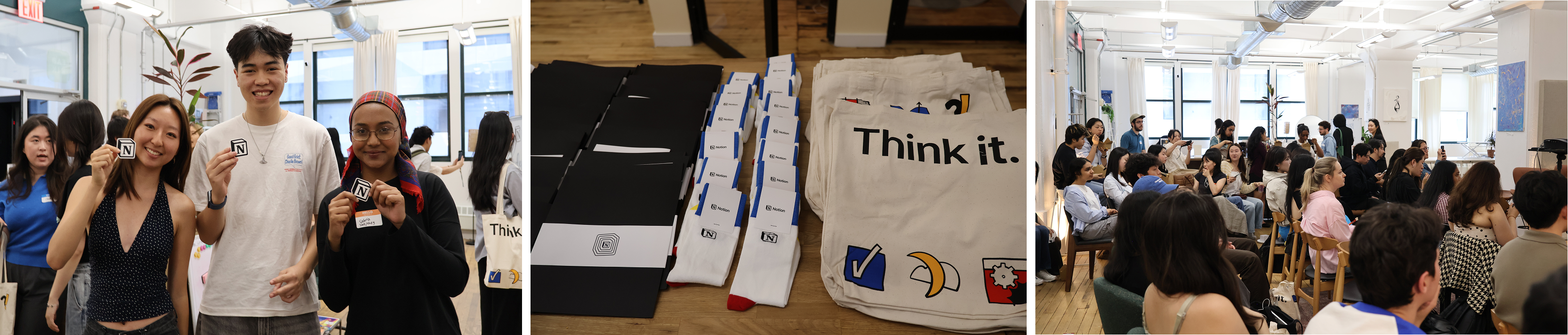
📸 Snapshots of past events
Design Meetup x Ramp
Design Meetup x Notion
📅 What’s coming up
Design Meetup x Figma Summer Series: Seven events, two cities, all summer. Design Meetup and Figma are bringing designers together for intern mixers, demo nights, maker nights, artist talks, and more. You don’t want to miss this one. RSVP at luma.com/figmaforedu.
🦄 Opportunities
These jobs were posted in the past 2 days, so they’re still fresh!
Internships
New grad roles
🎨 What we learned from doing real client work in college, and how to build it yourself
From Brandon and Ilyssa
For a long time, most of us assumed a career started with someone else opening a door. You applied, waited, got in or didn’t. Yet there’s another hidden secret to accelerating career growth: other side entrances many don’t know exist.
At Cornell, we worked with clients ranging from early-stage startups to teams at Google and Microsoft through a student design organization. We had real project briefs, deadlines, and stakeholders (who sometimes didn’t even know what they wanted themselves). Having a client come back and say they wanted designs to just look more “delightful” was a different kind of feedback than anything you get in school. It closes the gap between what the typical design curriculum is and how non-designers actually perceive the work.
Why it actually matters
Working across different industries early on helped us figure out what we actually liked. You pick up a branding project, a product problem, a scrappy startup brief, and you start to learn what kind of work gets you going and what drains you. Some other pros:
Learning how to manage yourself when no one is telling you what to do, and dealing with ambiguity.
Figuring out how to give feedback to a peer without it getting uncomfortable.
Getting a client to say yes to a direction you believed in.
Build leverage, as every project is a portfolio piece or new connection.
How to start one at your school (or just in your life)
Find 3 to 5 people, not a perfect team. You don’t need full coverage across every skill. You need people who show up. Post in a design class group chat, your school’s Slack, or a local Discord. Three people who are genuinely interested will go further than eight who are semi-committed.
Land a client before you formalize anything. Cold-email 50-100 local startups or small businesses. Offer one specific deliverable, like a landing page redesign or a user flow audit, at a reduced rate or free. One yes is enough to start. A warm intro from a professor or alumni works even better.
Get the business basics sorted early. Two paths: fiscal sponsorship through your school’s student orgs office (they handle taxes, you get a bank account, pretty easy) or form an LLC yourself ($50 to $150 in most states, about 20 minutes on your state’s Secretary of State website). Use Stripe to invoice clients.
Write a one-page statement of work for every project. Scope, timeline, deliverables, and one round of revisions. It protects you and trains you to scope properly (Google Docs is fine).
Do a retro after every project. 30 minutes: what did the client actually want vs. what we delivered, where did we lose time, what would we do differently. Write it down. This is how the org gets better instead of just busier.
Not in school? Same playbook. Find a co-working space, a Slack community, or a local meetup. Offer a free audit to a nonprofit or a friend’s business. Post your work publicly. The scaffolding of a student org is nice but it’s not required. What matters is accountability to doing good work for a real client.
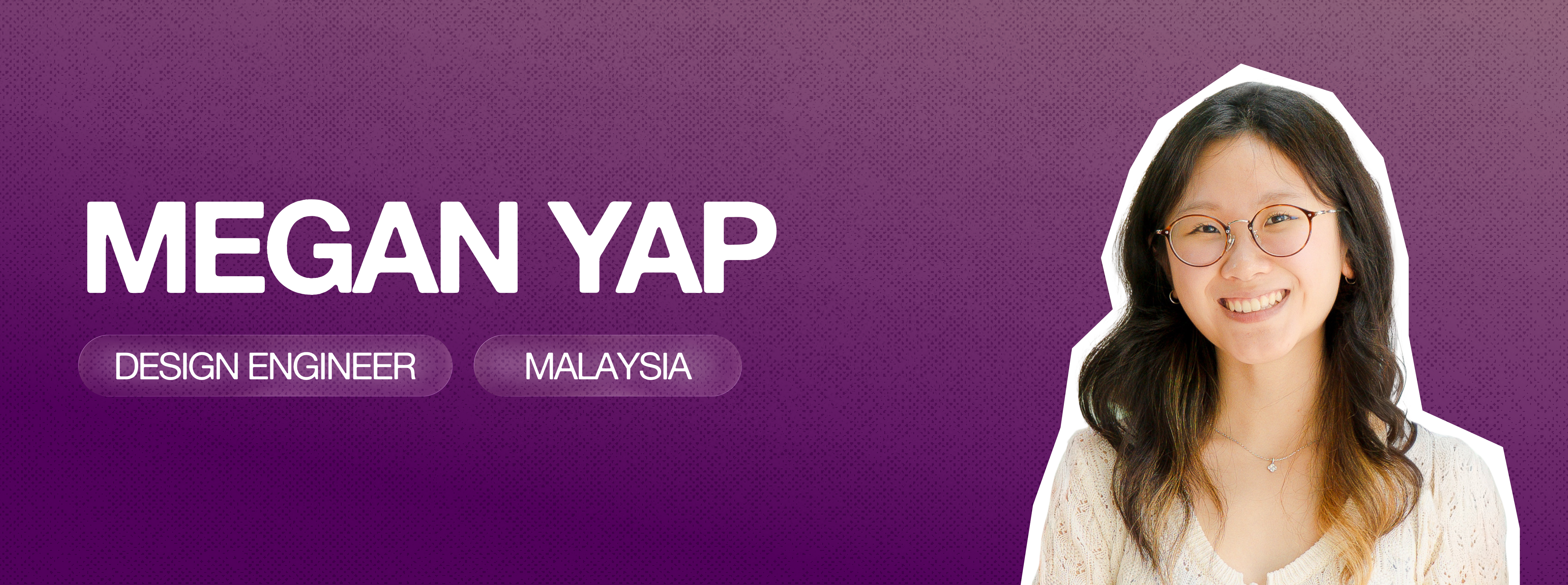
🔍 Designer spotlight: Megan Yap
Favorite design tool right now?
Claude Code! It’s amazing for brainstorming and iterating on design ideas, as well as adding little touches of delight. I find that I tend to be more creative when working with Claude rather than Figma, since I can experiment and see my changes pretty much instantaneously.
Where do you draw your inspiration from as a designer?
Definitely Design Twitter (I’m chronically online oops). There are so many inspiring projects that people are working on — seeing all of these designs and products always makes me feel really motivated and excited to create and learn more.
What advice to early career designers do you have?
Don’t be afraid to try building and shipping your designs! Agentic coding assistants can seem intimidating at first, especially if you don’t have technical experience, but you can honestly even just prompt the LLM itself for help — it’s pretty easy to get in the swing of things after that. I strongly believe that having real users brings so much more weight to your designs and teaches you a ton about problem-solving and creating things people want instead of just pixel pushing.
Fill out this form if you’re interested in being featured in one of our next volumes.
🎨 Design Twitter roundup


-Ilyssa and Brandon