
Vol 8
Google Bay Area, thoughts on designing wearables, new jobs, designer spotlight!
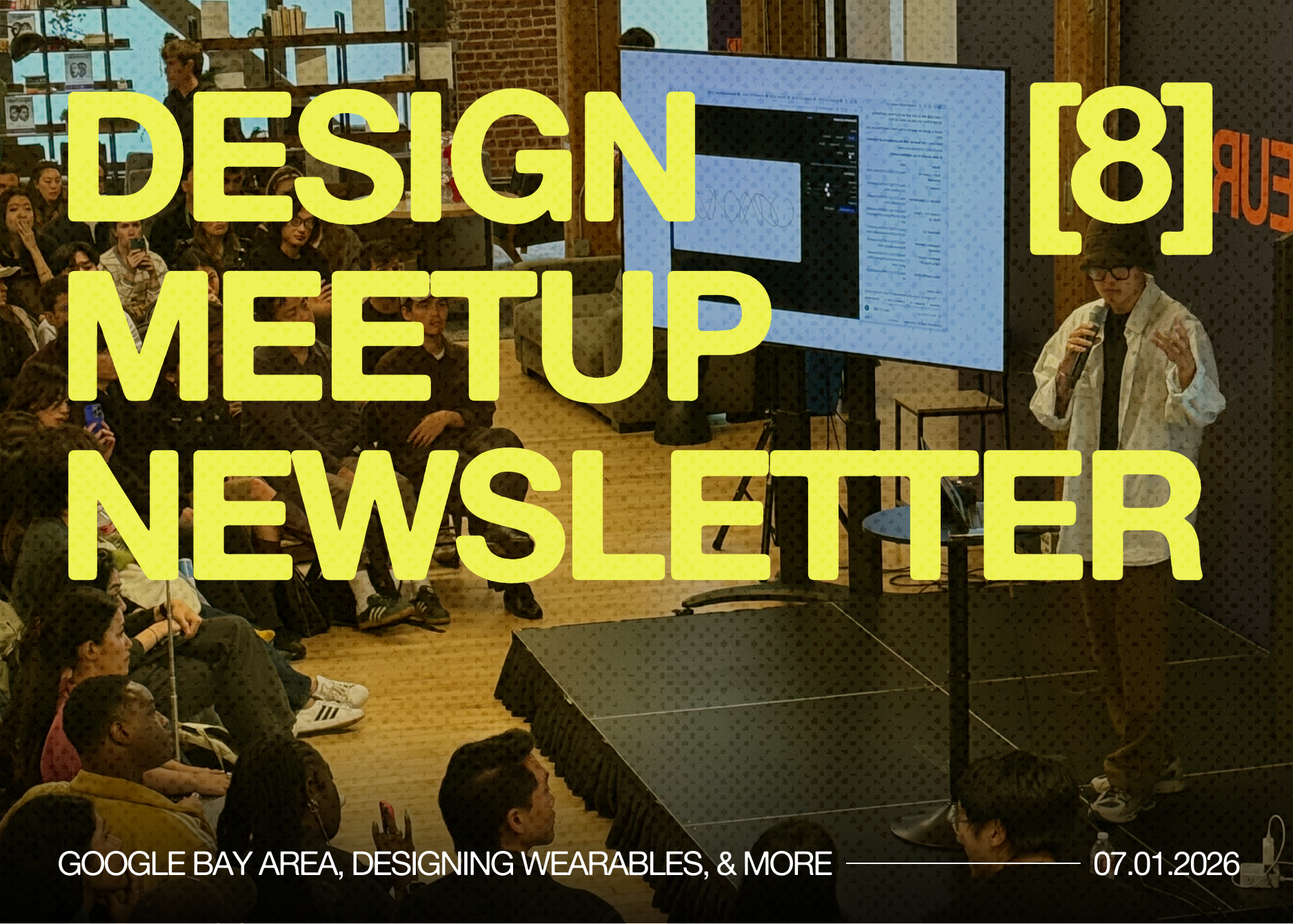
📸 Snapshots of past events
NYC Demo Night with Figma


NYC Maker Night with Figma


NYC Craft Cafe with Figma


Design Meetup x Cursor x Entrepreneurs First


📅 What’s coming up
Design Meetup x Google Sunnyvale, CA (luma TBD): A night of connection and inspiration for early career designers as we kick things off with food and drinks before diving into a series of interactive lightning talks and an exclusive AMA with senior designers.
Design Meetup x Figma Summer Series in SF: 4 down, 3 left…. Design Meetup and Figma are bringing designers together for intern mixers, demo nights, maker nights, artist talks, and more. You don’t want to miss our upcoming ones. RSVP at luma.com/figmaforedu.
🦄 Opportunities
These jobs were posted in the past 2 days, so they’re still fresh!
Internships
[Fall 2026] Corgan Brand + Graphics Internship
[Fall 2026] Altar’d State Textile Design Internship
[Fall 2026] SAP Concur iXp Intern - Integrated Marketing Graphic Design
New grad roles
📝 Some of my thoughts as someone who designs for hardware
By Chi Quach
I recently read Erika Hall’s Conversational Design, and I was fascinated by the way she defines the term “interface”: a middleman between interacting systems. Think man-to-man, man-to-machine, or machine-to-machine.
For those of us with backgrounds in software design, we have a long history of building interfaces that bridge the gap between analog and digital experiences. We relied heavily on metaphors. Classic examples include the early iPhone’s wooden bookshelf or the flipping pages of a Kindle. The best experiences always belong to those who master the art of making pixels feel familiar.
This principle has always been my favorite. Before starting any project, I always ask myself: what story am I telling today?
This mindset follows me into my current work with wearables. Software is a limitless canvas. In hardware, on the other hand, physics always pushes back. As designers, we strive to create the most ideal experiences.
We ask, “What is the most seamless way to interact with this device?” Yet, a lot of the time, these proposals get taken a different path. The components required will make the device too heavy, run too hot and melt the casing, or completely exhaust the battery life.
This is where I learned the hard way that form doesn’t just follow function—function dictates the form. It is a constant negotiation of trade-offs. To achieve the right aesthetic and comfort, we might have to remove a feature. To prioritize an extra function, we have to bulk up the size, which eats away at the wearability.
For anyone interested in transitioning into this space, I can share what worked for me: I took some classes in Arduino and did a few design projects focused on physical devices. One exercise I highly recommend is redesigning an existing device’s experience. Reaching out to help startups and small teams also helps.
If you are interested, I highly recommend exploring this field; you will definitely learn a lot just from observing how people use everyday objects.
🔍 Designer spotlight: Chi Quach
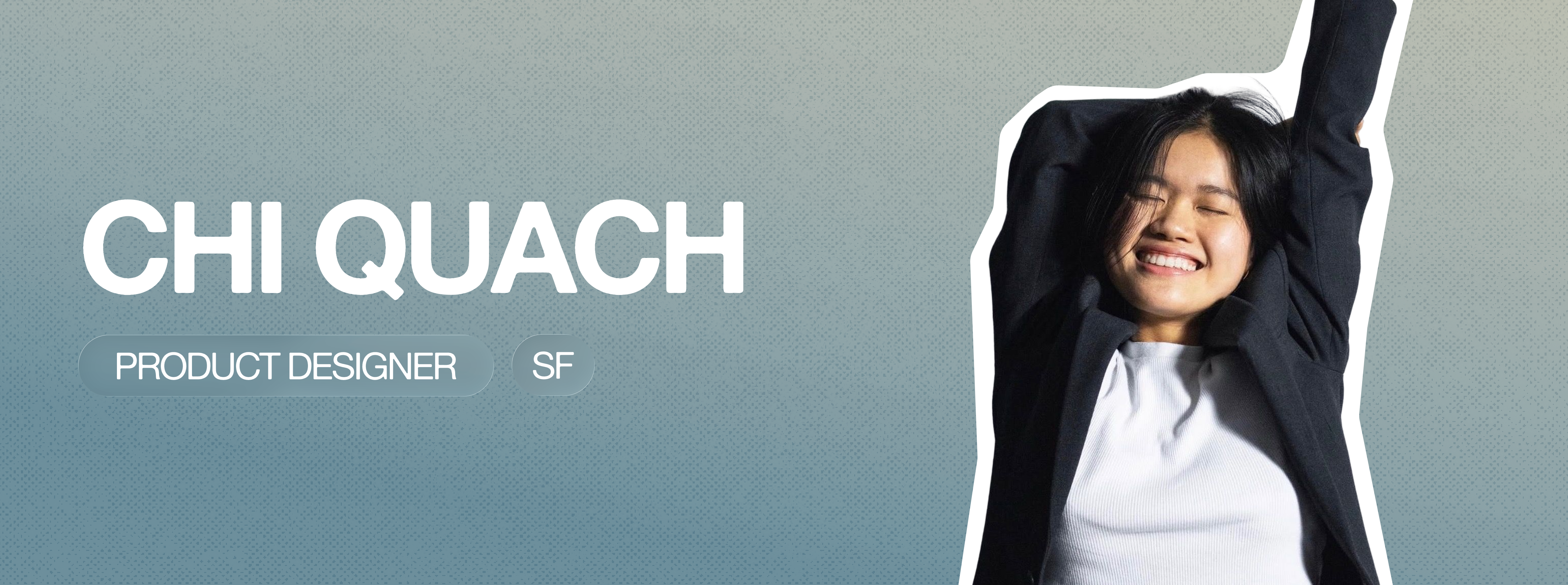
Chi Quach | Product Designer at Meta | Based in SF
Favorite design tool right now?
Cursor, Framer, and Figma!
Where do you draw your inspiration from as a designer?
A huge geek for Pinterest, Cosmos, X, YouTube, and design Substacks. Also, I love interior and fashion design, so a lot of my inspiration comes from there.
What advice to early career designers do you have?
My philosophy when it comes to design is to tell a good story. No good story comes from sitting at a desk. So, have fun, do something with your hands, explore a new creative medium, and absorb all of life's experiences. These are the best materials for your design work!
Fill out this form if you’re interested in being featured in one of our next volumes.
🎨 Design Twitter roundup


See you soon,
Ilyssa + Brandon